PUBLIC HEALTH • OBESITY
The Invisible Architects of Your Health: The Untold Obesity Story
How our physical and social environments, food systems and everyday choices intersect to shape obesity and public health.
Explore insights and perspectives on public health, prevention and health research from Healis.
How our physical and social environments, food systems and everyday choices intersect to shape obesity and public health.
Understand key cardiovascular risk factors in midlife and practical steps that can support prevention and healthier years ahead.
More than one billion people worldwide are now living with obesity, making it one of today’s greatest public health challenges. Far beyond a mere statistic, obesity fundamentally affects the health, well-being, and healthcare systems of communities across the globe. It means more people are living with chronic illnesses, spending larger portions of their income on medical care, and struggling with lower energy levels and a poorer quality of life. The ripple effects of this epidemic place immense strain on healthcare systems and global economies alike. Chances are, this story has already touched someone you know, or perhaps even you.
Most of us have experienced that familiar Monday morning moment: stepping onto the bathroom scale, watching the digital numbers flash, and instantly blaming ourselves for what we ate or how little we exercised over the weekend. It is an exhausting internal dialogue that often leads to an endless cycle of temporary diets and inevitable burnout.
For years, this is the exact narrative we have been taught. We are frequently told that it’s a mathematical equation, weight depends solely on eating less and exercising more, framing obesity strictly as a problem of personal discipline. It sounds simple, making it incredibly easy to believe.
“But the truth is much more complicated.”
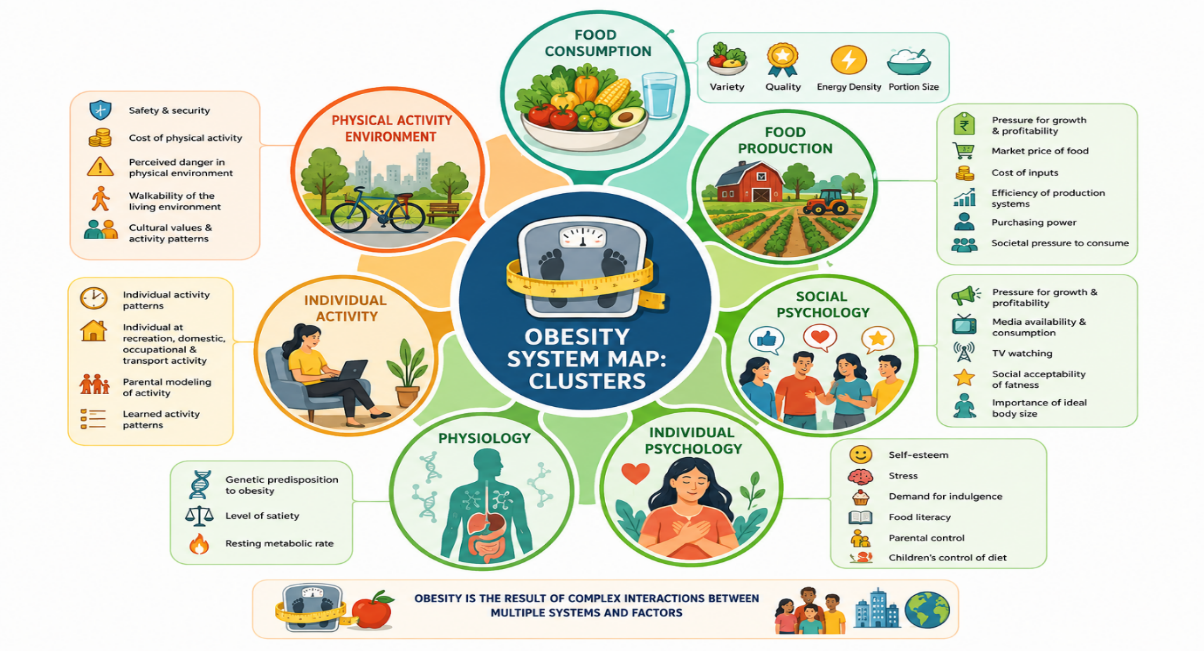
Our bodies do not exist in isolation. Every single decision we make about food, movement, sleep, or stress is influenced by our physical and social surroundings. Although genetics influence body weight, our genes have not evolved fast enough to explain the dramatic rise in obesity over recent decades.
In India, this rise is staggering. Historical reviews show that over 135 million individuals in India are directly affected by obesity, driven largely by energy-dense food habits and increasingly sedentary lifestyles.
This massive surge indicates that something else is driving this change. The answer lies within the environments we navigate every single day. The places where we live, eat, and travel quietly shape our daily choices. Most of these influences are so ubiquitous that we hardly notice them; yet together, they dictate many of the decisions we make on autopilot.
This is why obesity cannot be explained by personal responsibility alone. To understand why the numbers on the scale keep rising, we must look beyond willpower and recognize the “invisible architects” of our health: the modern environments deliberately designed around us, but usually not for us. This blog explores how our environment and biology intersect to shape obesity, and what can be done to make healthier choices the easier choices.
More than half of Indians are physically inactive. Rather than reflecting a collective lack of motivation, this pattern highlights how the environments where people live and work dictate their daily opportunities for physical activity.
The spaces where we reside, work, and commute strongly influence how active we can realistically be. Consider your own neighbourhood:
For many, the answer is a resounding no. Long commutes, unsafe streets, heavy traffic, and limited public spaces often make sedentary behaviour the most viable option. Public health researchers describe these settings as “obesogenic environments”—places where unhealthy eating and physical inactivity become the default choices.
IN SIMPLE TERMS, THESE ARE ENVIRONMENTS DESIGNED TO MAKE UNHEALTHY CHOICES EFFORTLESS AND HEALTHY CHOICES EXHAUSTING.
Studies consistently demonstrate that neighbourhood characteristics significantly influence physical activity, dietary behaviours, and overall obesity risk.
Researchers have observed that several structural factors cluster together in modern cities:
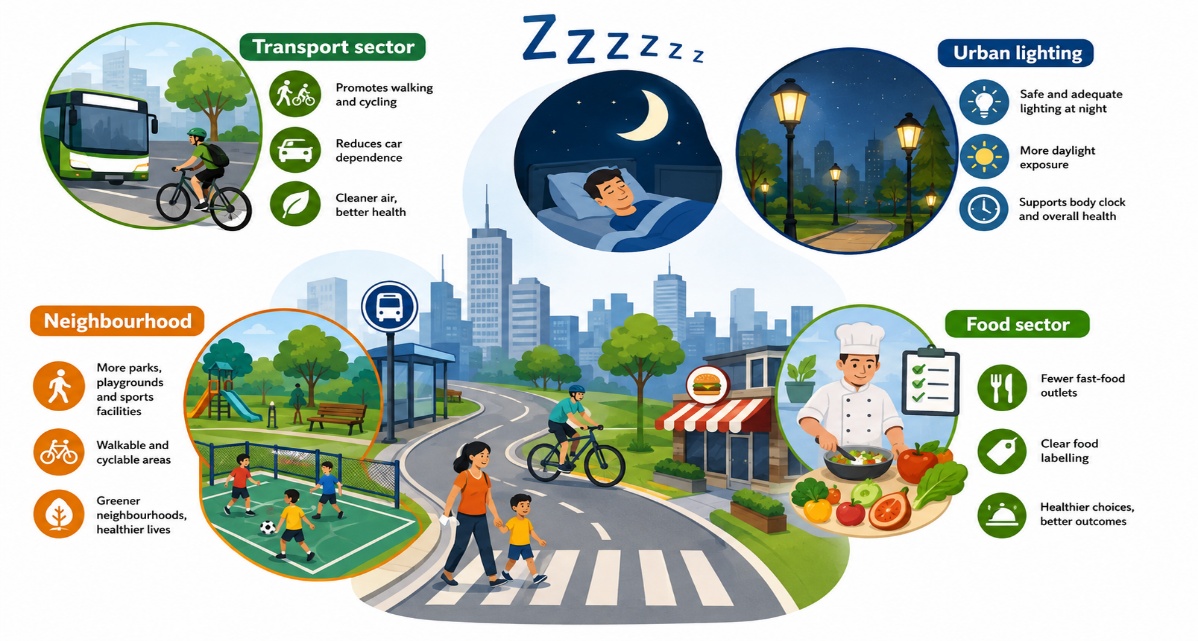
Obesity is not caused by a single fast-food outlet around the corner; it is the combined, clustered effect of multiple environmental factors working together over time to discourage movement and encourage overconsumption.
Picture the end of a long workday: after an exhausting commute, preparing a nutritious meal often requires significantly more time and effort than ordering calorie-dense food through a delivery app. Without realizing it, the easiest choice becomes the least healthy one. Convenience—not simply a lack of willpower—frequently dictates our final decisions.
“WE ARE NOT SIMPLY FAILING OUR ENVIRONMENT. IN MANY WAYS, OUR ENVIRONMENT HAS BEEN SHAPING OUR CHOICES ALL ALONG.”
Recent global research highlights that obesity trends are diverging across countries. In many high-income nations, the rapid rise in obesity has begun to plateau, whereas rates continue to climb rapidly in many low- and middle-income countries.
This global divide is not caused by differing levels of personal willpower across borders. Instead, it reflects deep, systemic inequalities in wealth, living conditions, and public infrastructure:
Many low- and middle-income countries now face a “double burden” of disease, where health systems originally designed to address undernutrition must simultaneously respond to rising rates of obesity and other non-communicable diseases. Today, these exact same systems are forced to manage a massive wave of chronic lifestyle conditions like diabetes and heart disease, creating a dangerous structural mismatch that leaves millions without adequate preventative care.
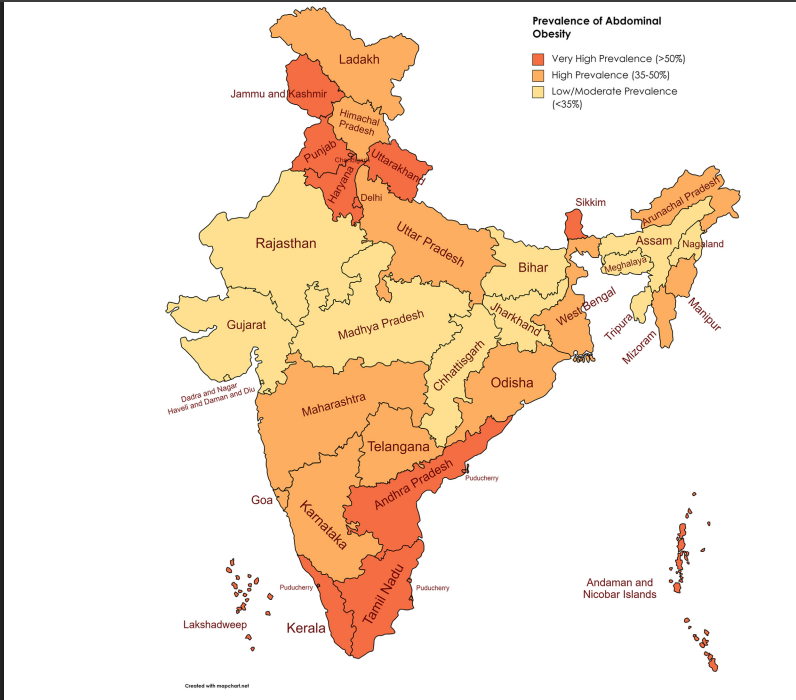
Obesity patterns vary widely across India because states differ significantly in their levels of economic development and urbanization. Between 2006 and 2021, the prevalence of excess weight among non-pregnant Indian women nearly doubled from 12.3% to 23.6% nationally. However, this burden is heavily dictated by wealth distribution:
Rising obesity among children and adolescents further highlights that younger generations are increasingly exposed to obesogenic environments from an early age. Long-term national tracking shows that between 1990 and 2022, obesity among Indian teenagers (aged 10–19) surged from 0.082% to 2.72%, with the highest percentage jump occurring in adolescent boys. Among younger children (aged 5–9), rates rose from 0.20% to 4.96% over the same period.
When examining obesity in India, biology adds a crucial layer of complexity. The landmark ICMR-INDIAB study revealed that over 101 million people in India are living with diabetes, while 35.5% have high blood pressure and 81.2% suffer from dyslipidaemia—unhealthy levels of fats in the blood. These numbers prove that excess weight in India rarely exists in isolation; it clusters dangerously with serious metabolic risks.
The primary reason for this biological vulnerability is the South Asian phenotype. South Asians handle and store body fat quite differently from Western populations:
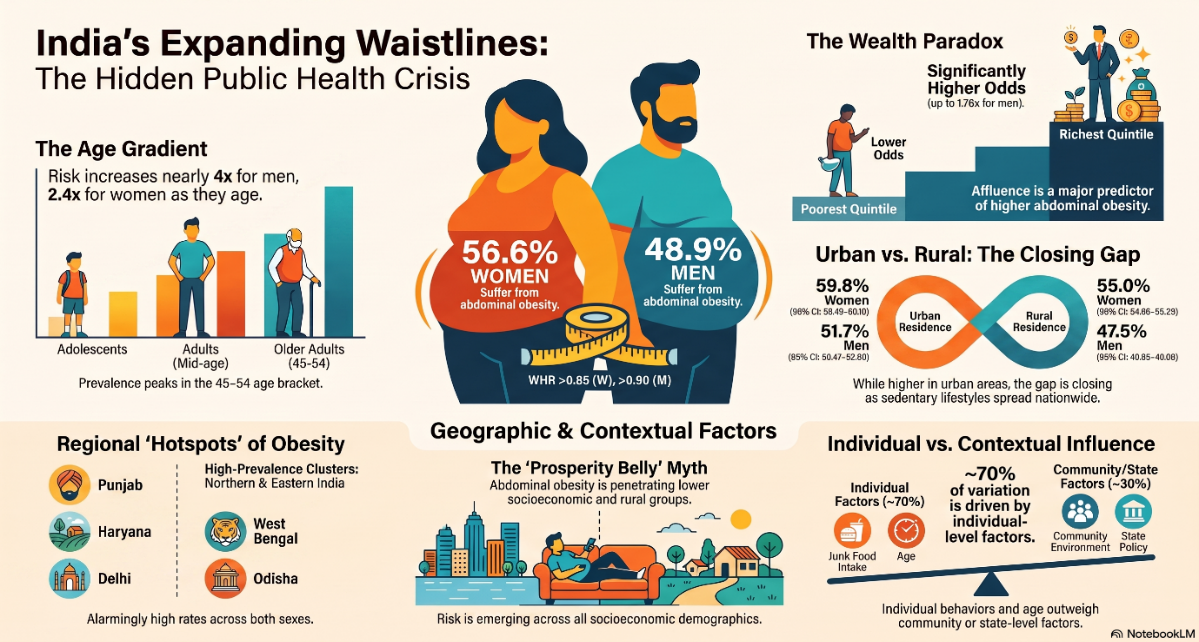
Data from the National Family Health Survey-5 (NFHS-5) measured waist circumferences nationwide for the first time, highlighting a major abdominal obesity crisis across the subcontinent:
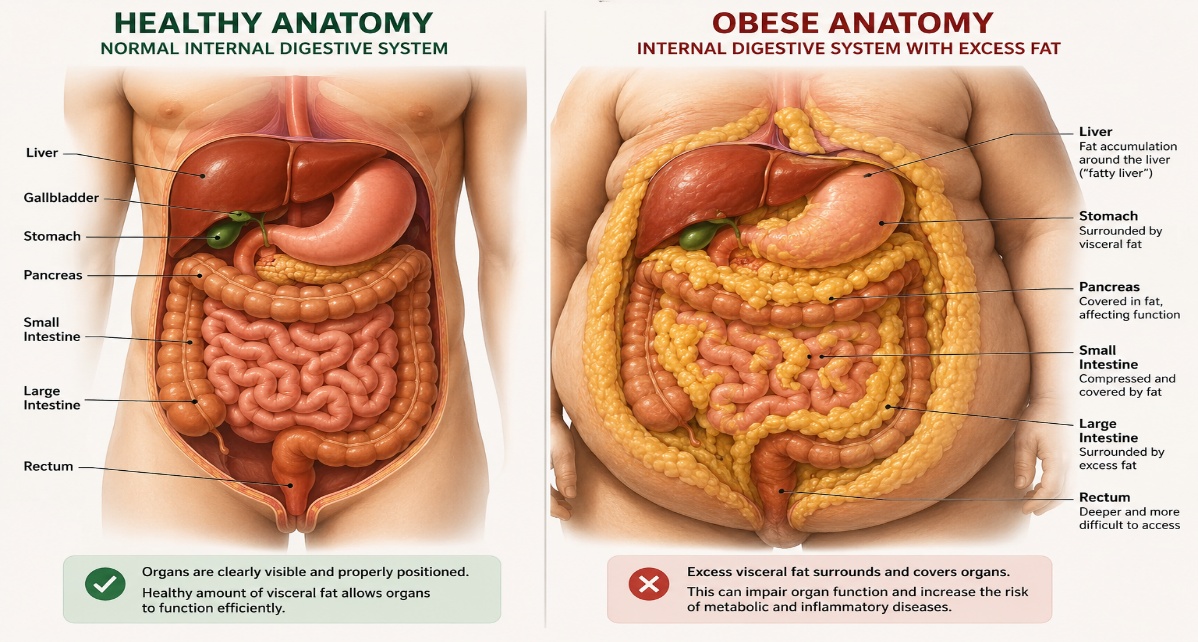
Because of this unique biological makeup, it is essential to keep these core physiological facts in mind to protect our health:
This unique biology completely explains why relying solely on a standard Body Mass Index (BMI) chart or a conventional bathroom scale can be dangerously misleading for South Asians.
BMI is a basic mathematical formula that simply divides your weight by your height squared. It cannot differentiate between heavy muscle and toxic fat, nor can it show where that fat is physically located in the body. For South Asians, who develop severe metabolic health risks at much lower total body weights, Western BMI charts create a false sense of security that delays critical medical intervention.
The NFHS-5 national survey clearly demonstrated this massive diagnostic gap (Chaudhary & Sharma, 2023):
“Looking healthy on the outside does not always mean the body is healthy on the inside. For South Asians, understanding where our bodies store fat is far more important than the number on the weighing scale.”
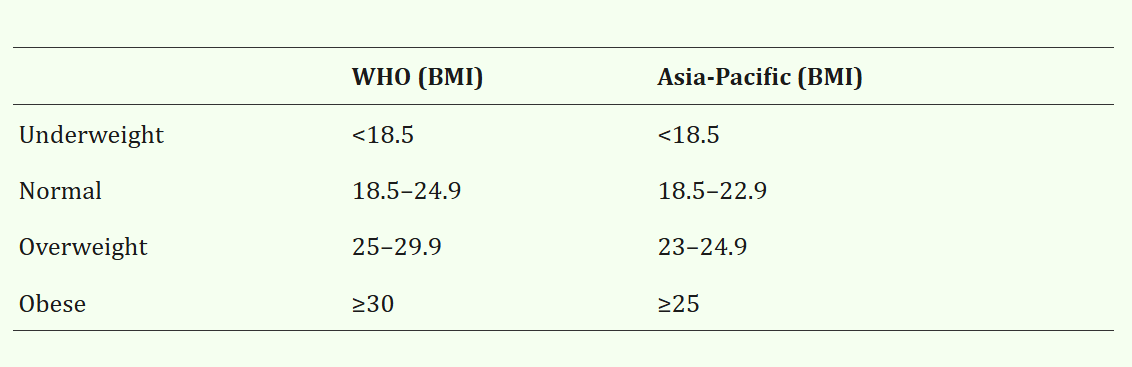
Because metabolic complications like type 2 diabetes and hypertension occur much earlier in Asian populations, international medical guidelines now recommend lower BMI thresholds for this demographic:
Furthermore, recent research definitively shatters the outdated belief that these metabolic risks are limited to wealthy, urban populations. Hidden abdominal obesity is spreading rapidly into rural villages as hard physical labour decreases due to mechanization, and heavily packaged foods become easily accessible across the countryside.
Sales of ultra-processed packaged foods are expanding rapidly in developing nations, growing at 2.8% annually in upper-middle-income countries and 4.4% annually in lower-middle-income countries.
Long-term tracking shows a near-perfect statistical correlation between India’s rising GDP per capita, increasing economic and social globalization, rapid urbanization, and rising obesity rates. How exactly did these highly processed foods become so ubiquitous in our daily lives?
Rather than blaming individuals for a lack of dietary discipline, it helps to understand the underlying business model of the modern global food industry:
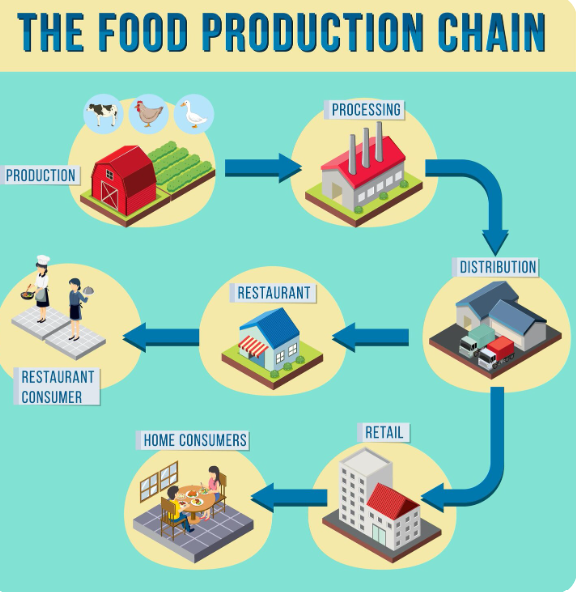
Packaged foods are also scientifically engineered in advanced food laboratories to keep consumers buying and eating more.
When you combine this calculated chemical engineering with eye-catching packaging, non-stop television and smartphone advertising, aggressive price discounts, and ubiquitous corner-store availability, processed snacks become an effortless default choice for busy, overwhelmed families.
Over time, this industrialized system has systematically shifted traditional eating habits. Healthy, fibre-rich regional grains like jowar, bajra, and ragi are gradually disappearing from daily plates across the country, replaced by nutrient-poor refined white flours, cheap inflammatory vegetable oils, and excessive hidden sugars.
This monumental dietary shift is not occurring because millions of people simultaneously stopped caring about their health and well-being. It happens purely because ultra-processed food has built an unmatched, systemic advantage in convenience, absolute price, and shelf-stability.
When fresh, nutritious whole foods cost more per calorie, spoil within mere days, and require significant physical time to clean and cook, the cheaper and faster option almost always wins in a fast-paced society. That is not a failure of individual discipline; it is the perfectly logical outcome of an economic food system meticulously designed around maximum convenience and corporate profit.
Consider how many daily decisions happen completely on autopilot. You walk into a grocery store for milk and leave with chocolates strategically placed next to the cash register. You open a delivery app simply to look at menu items and end up ordering a large meal because of a pop-up discount code.
Behavioural economists call the setup behind these subconscious decisions “choice architecture”. Choice architecture recognizes that the physical presentation of options acts as a powerful “nudge,” predictably steering human choices without explicitly restricting personal freedom or banning products. People naturally and consistently pick the easiest, most visible, or default option placed immediately in front of them.
Currently, our physical world is structured with a highly obesogenic choice architecture:
In an environment deliberately built like this, staying healthy requires a continuous, exhausting, and conscious battle against your surroundings.
To build a healthier population and turn the tide on the obesity epidemic, we must systematically redesign our choice architecture so that the healthy choice organically becomes the easiest, default option for everyone:
Obesity is far more complex than a simple matter of personal choice or a lack of willpower. Our health is intricately shaped every single day by the neighbourhoods we live in, the vast food systems around us, our available financial resources, and the choice architecture that quietly directs our daily routines. When unhealthy choices are consistently cheaper, faster, and more accessible than healthy ones, the root cause is the environment we have built, not the individuals living within it.
Individual effort and personal accountability certainly matter, but expecting everyday people to maintain optimal health without fixing their broken surroundings is exactly like asking someone to swim against a powerful, rushing river current every single day.
The next time you step onto the bathroom scale on a Monday morning, look at that digital number through an entirely different lens. It reflects much more than your personal dietary decisions over the weekend; it reflects the invisible architects of your physical world, the realities of your local food economy, and your city's structural infrastructure.
Environments were built by design, which means they can absolutely be redesigned. By working collectively to reshape our society and make healthy choices the easiest choices, we can create a world that naturally supports our health, vitality, and overall well-being.
“Perhaps the real question is no longer, ‘Why don't people make better choices?’ Instead, we should be asking, ‘How can we build a world where the healthy choice is the easy choice?’”
Have an idea, experience or perspective to share on public health? We would love to hear from you.
Reach us at website@healis.orgScrolling through social media can make heart health seem complicated. One message recommends a strict diet, another says intense exercise is essential, while another suggests that a family history of heart disease determines your future.
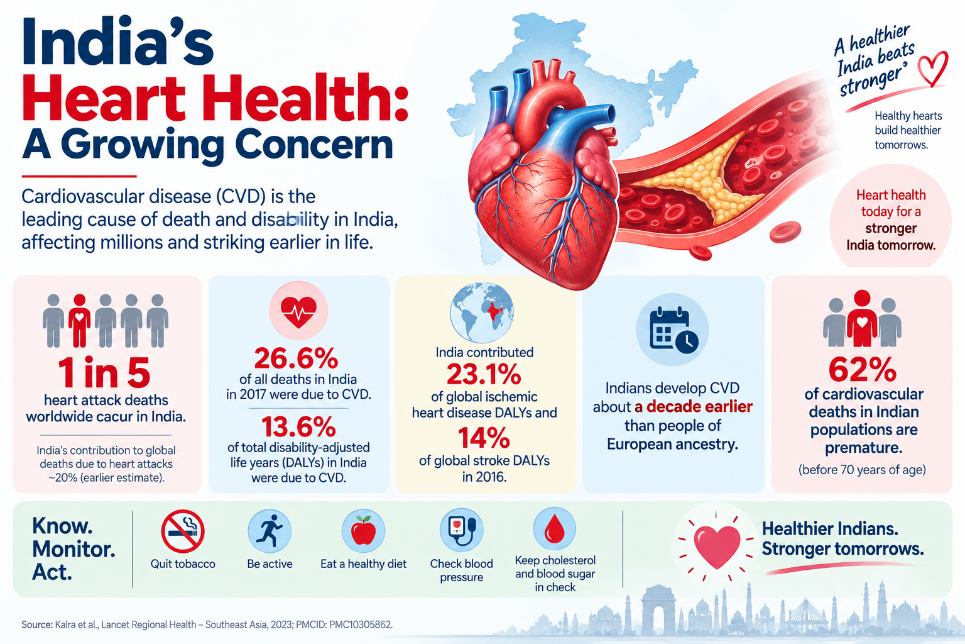
The reality is more practical: genes influence cardiovascular risk, but several important risk factors can be identified and modified. Midlife is therefore an important opportunity to understand your risk, make sustainable changes and seek preventive care.
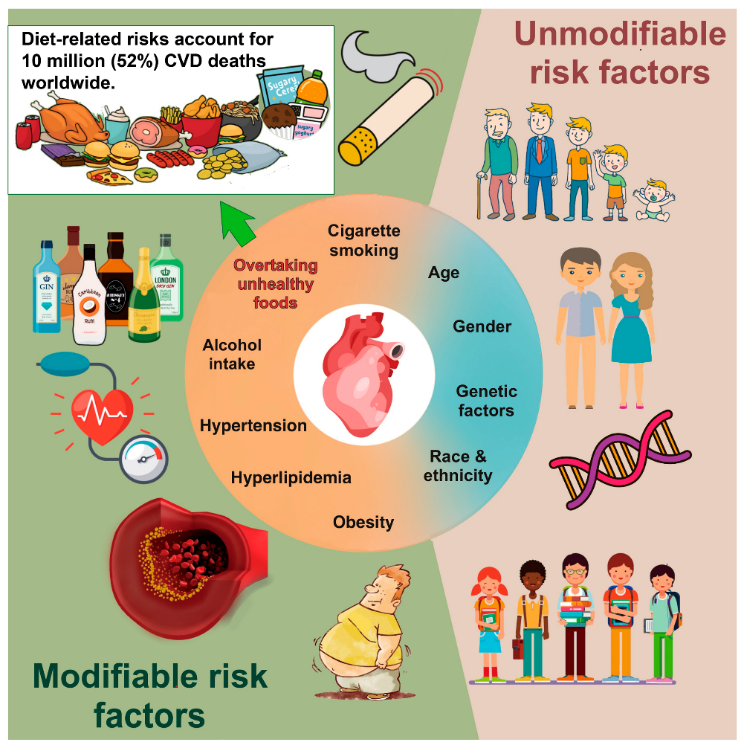
To protect your heart health after 40, it is important to understand the major risk factors that influence cardiovascular health:
These factors interact and accumulate over time. Managing them is therefore an imprortant part of cardiovascular disease prevention.
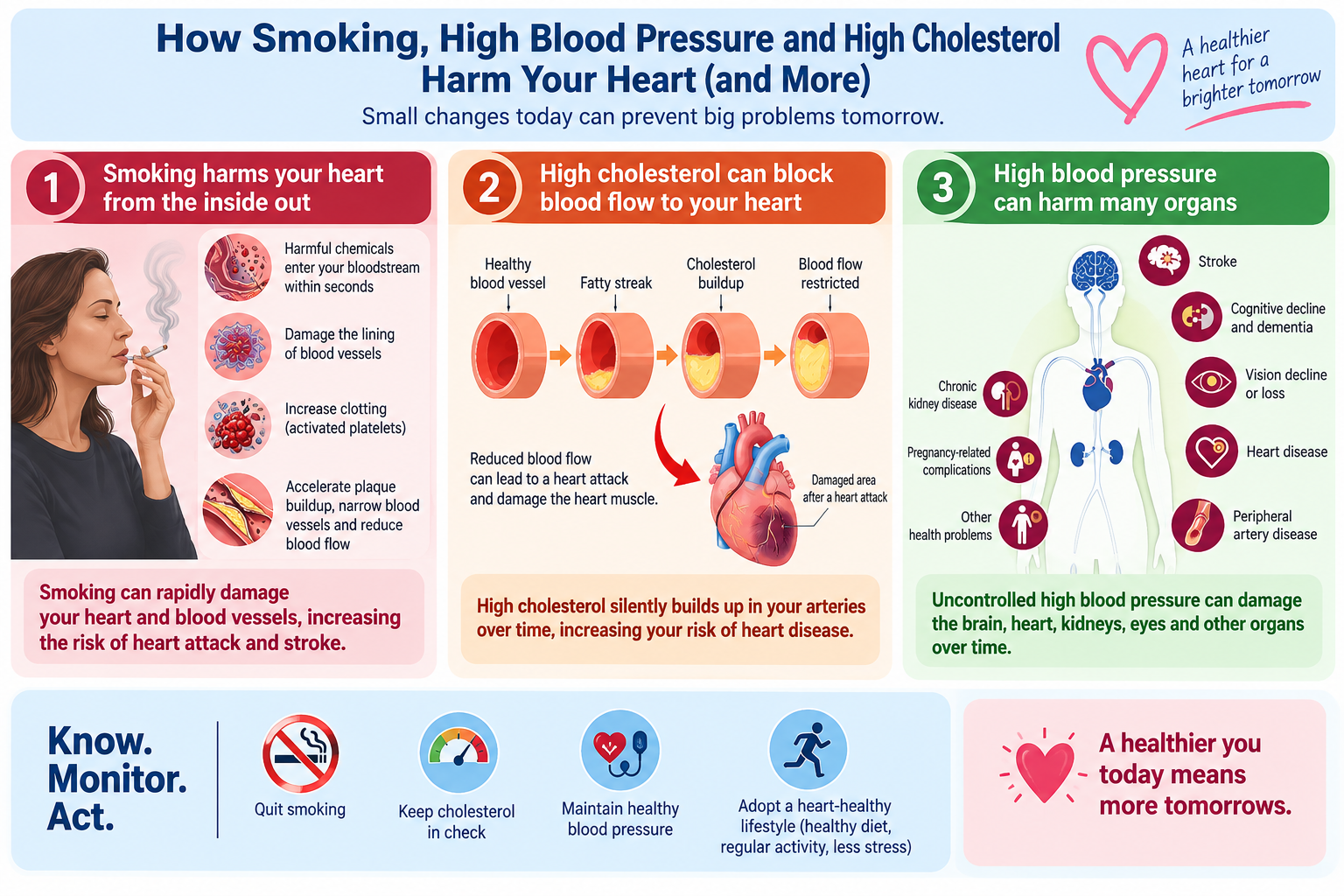
Personal choices matter, but they are shaper by our surroundings. In India, heart disease increasingly affects poorer and rural populations, showing a reversal of socioeconomic gradients. Long working hours, tobacco use, physical inactivity, unhealthy diets, stress, and limited access to preventive healthcare together shape cardiovascular risk.
Where we live heavily dictates your health outcomes. Limited access to safe walking spaces and affordable, nutritious food can make the healthy choices difficult. Urban populations may experience higher abdominal obesity, while rural communities often face a “double burden” where undernutrition and obesity exist side by side.
The 40s and 50s can be an important window for identifying and managing cardiovascular risk factors before they contribute to serious disease. Modifying high blood pressure specifically between the ages of 55 and less than 60 years provides the absolute highest number of additional life-years free of cardiovascular disease.
Heart disease also manifests differently across genders. In India, men face a significantly higher burden of premature mortality from cardiovascular disease in terms of years of life lost. However, women face distinct gaps in awareness, diagnosis, and treatment. Furthermore, cardiovascular risk changes significantly around midlife and menopause, making regular screening and attention to symptoms particularly important for women during this transition.
The estimated number of additional life-years free of cardiovascular disease is up to 13.3 years for women who maintain optimal health factors at age 50.
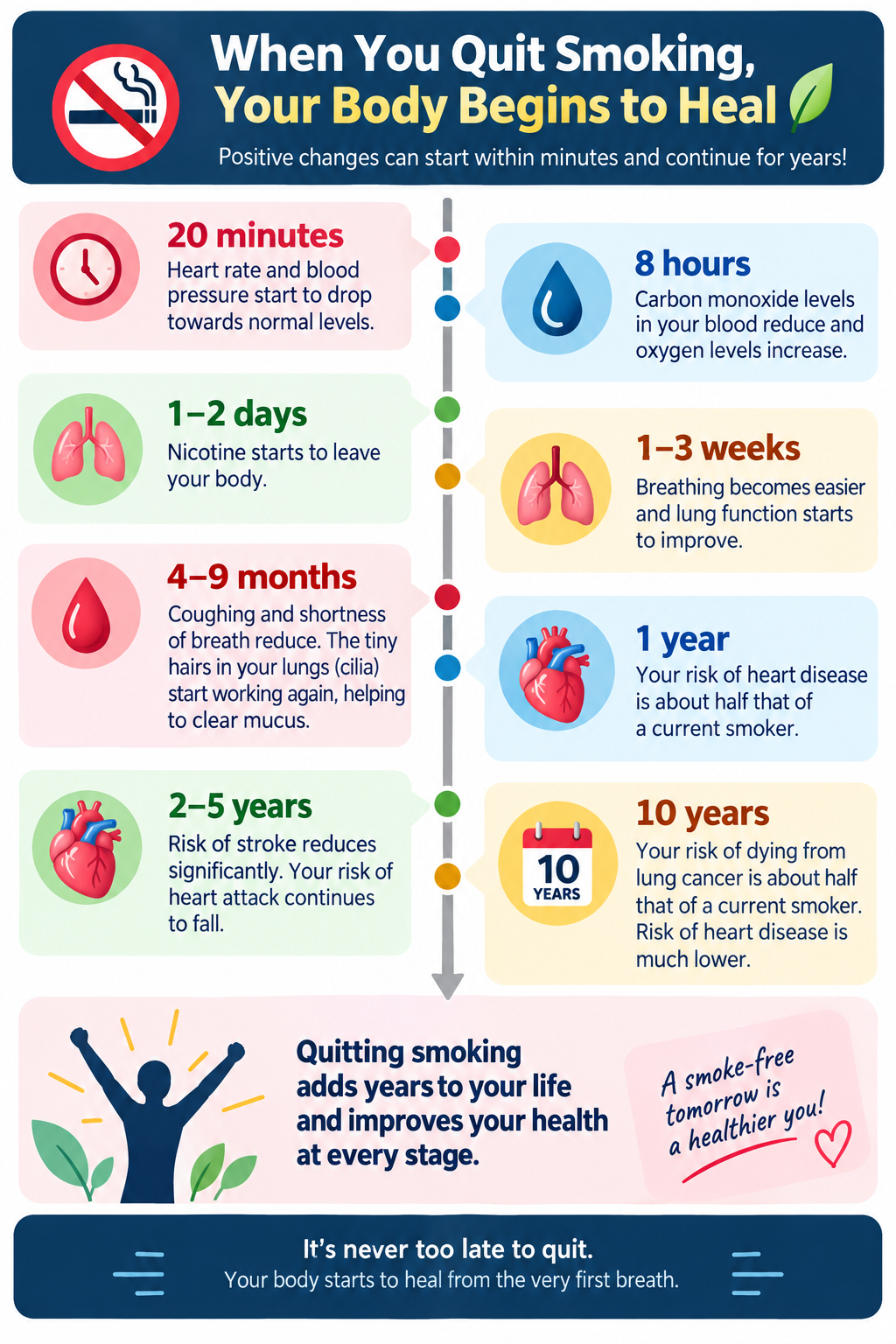
Quitting tobacco in midlife can significantly extend healthy life. Research shows that quitting tobacco between ages 55 and 60 is associated with substantial gain in life-years, while also slowing lung capacity function decline similar to never-tobacco users.
However, healthy choices are influenced by our environments workplace demands and factors such as obesity and central obesity can contribute to cardiovascular risk, highlighting the need to address both individual behaviour and the environments where people work and live.
Maintaining a healthy risk factor profile in middle age, including healthy blood pressure (under 120/80 mm Hg), and cholesterol (under 180 mg/dL), and quitting tobacco, and preventing diabetes, can substantially increase years lived free from cardiovascular disease. Studies estimate that people who reach their 50s without major risk factor may gain up to 14.5 additional years for women and 11.8 years for men free from death from any cause, the ultimate prize for proactive care.
The message is simple: it is never too late to improve your cardiovascular health, and midlife offers an important opportunity to act.
Track your numbers: Regularly monitor your blood pressure, blood sugar, and cholesterol, and discuss the results with a healthcare professional.
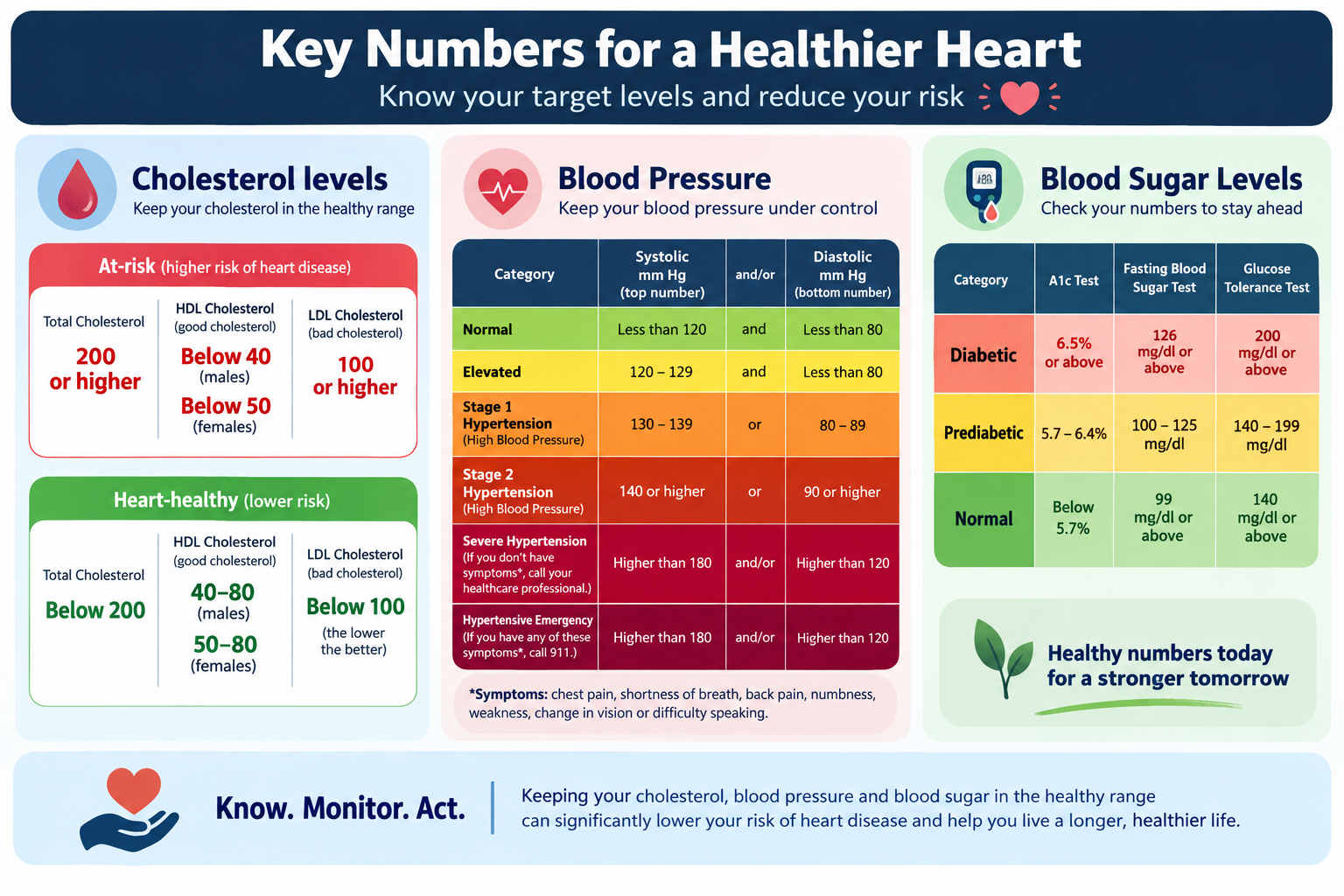
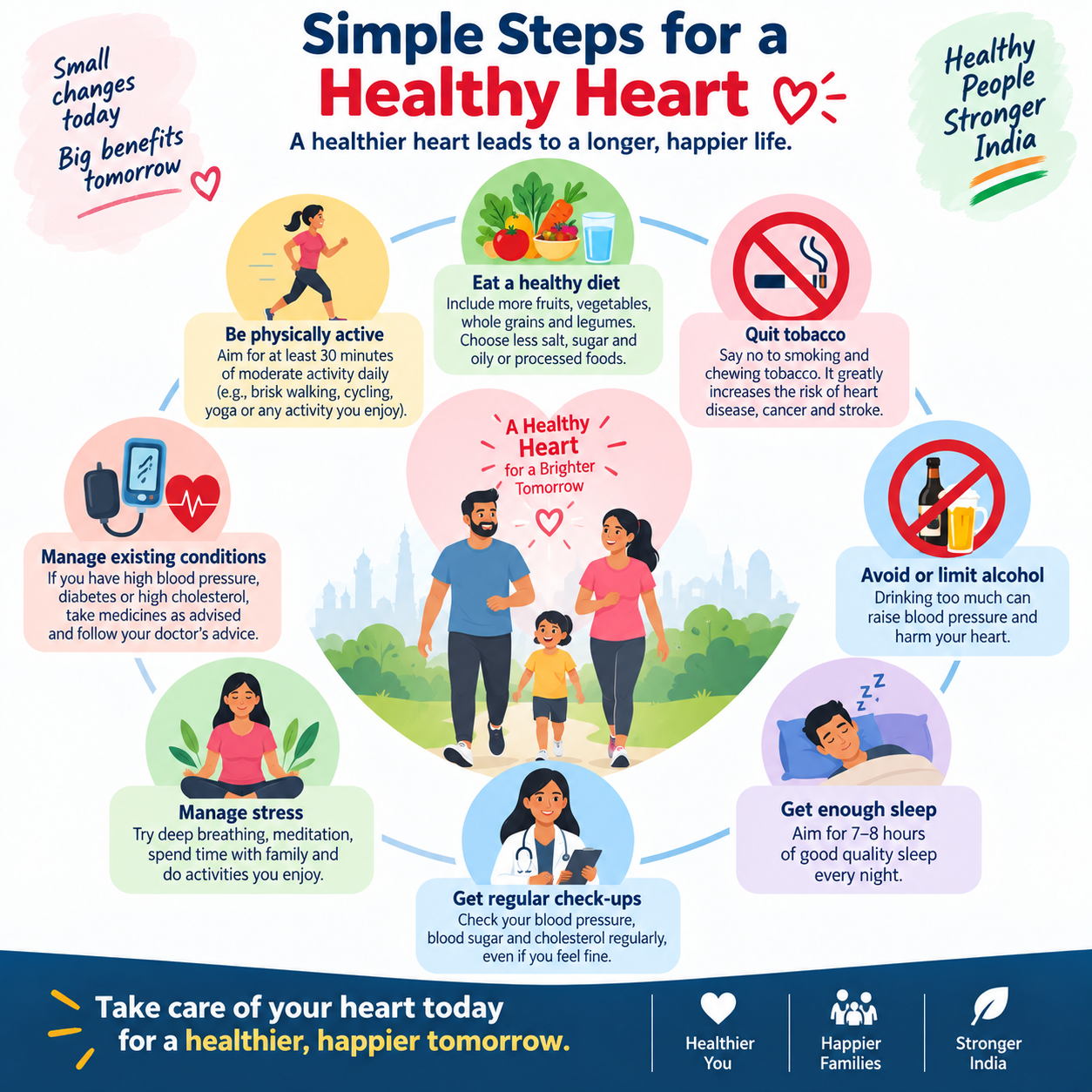
So, what is one small change you can make today to protect your heart health after 40?
Start with one step today: check whether your blood pressure, blood sugar and cholesterol are within normal limits, or speak with a healthcare professional about your cardiovascular risk. Explore Healis research and programmes to learn more about preventing non-communicable diseases and improving health at the population level.
Have an idea, experience or perspective to share on public health? We would love to hear from you.
Reach us at website@healis.org